
Long low-voltage runs
A physical 45 m line is not the same as a permissible 45 m feed distance. Power zones and injection points are calculated from the selected load and cable, not from length alone.
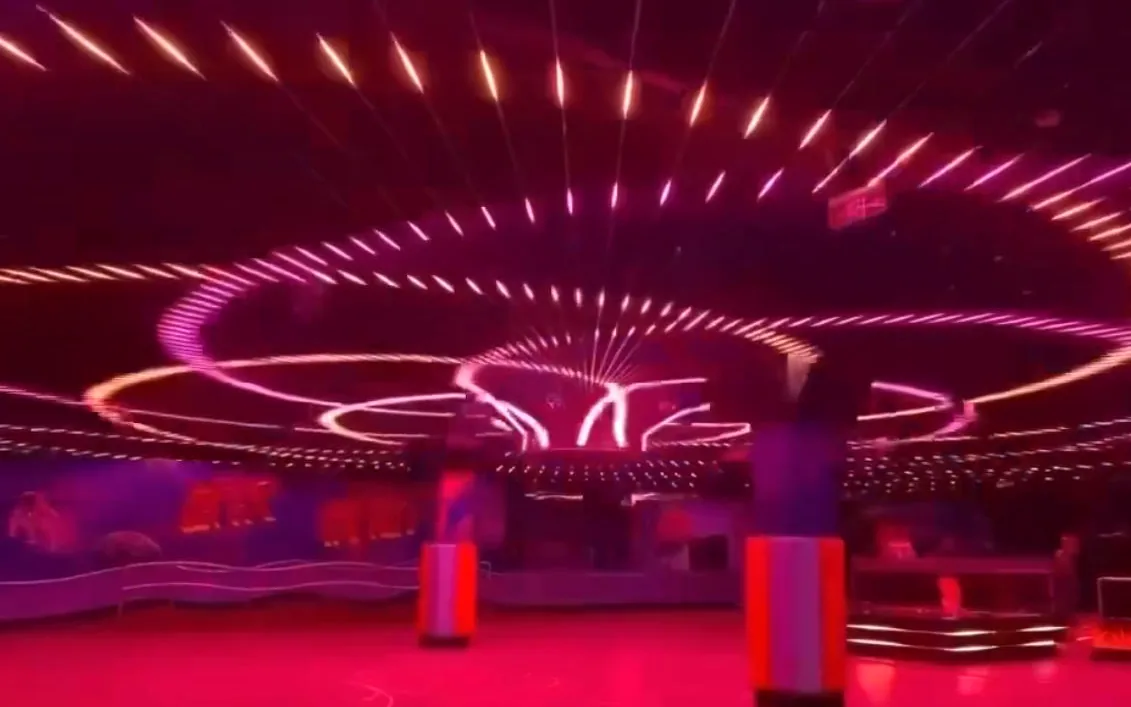
Specify addressable RGB or RGBW linear lighting, distributed control, zoned power, cabling, and commissioning as one coordinated project package.
A large MADRIX LED ceiling is normally divided into repeatable power and data zones. A complete package combines addressable linear fixtures, Art-Net or supported sACN transport, matched pixel controllers, local power supplies, injection wiring, connectors, and a tested address map. Final quantities depend on pixel density, watts per metre, run layout, cable resistance, and controller limits.
Large ceiling projects become unreliable when fixture selection, controller capacity, voltage drop, and cabling are sized separately. The engineering task is to make every zone behave as one mapped canvas without hiding the limits of the hardware.
A physical 45 m line is not the same as a permissible 45 m feed distance. Power zones and injection points are calculated from the selected load and cable, not from length alone.
RGB and RGBW use different channel counts. Pixel density, universes, controller outputs, refresh requirements, and design reserve must be checked together.
The LED IC, controller output protocol, connectors, power supply, and software patch must agree. A compatible label on one component does not prove the complete chain.
This is the review sequence used for early system design. The selected products and quantities are fixed only after the project inputs are known.
Build the virtual matrix, content, patch, and universe plan on the control computer.
Send mapped data over Art-Net. MADRIX also supports sACN/E1.31, but the selected controller or gateway must independently support the same mode.
Software support does not automatically prove controller support.
Place switches and controllers by zone so data distribution, port loading, service access, and cable distances remain reviewable.
Match controller output to the LED IC and fixture protocol, then verify pixels per output, channels, refresh rate, and reserve.
Size supplies, protection, cable, connectors, and injection points for each repeatable zone rather than forcing current through one long feed.
Protocol reference: MADRIX 5 lists Art-Net and Streaming ACN (sACN/E1.31). The complete hardware path must still be confirmed for the selected controller.
The right fixture is the one that meets the ceiling geometry, pixel resolution, white-light requirement, access plan, and control architecture together.
Power injection spacing and controller placement cannot be derived from length alone. Use the calculators for a first screening pass, then have the selected cable, fixture, connectors, topology, protection, and local electrical requirements reviewed together.
Use these families to frame the design. The final SKU, IC, voltage, pixel density, controller, and accessories are selected together.
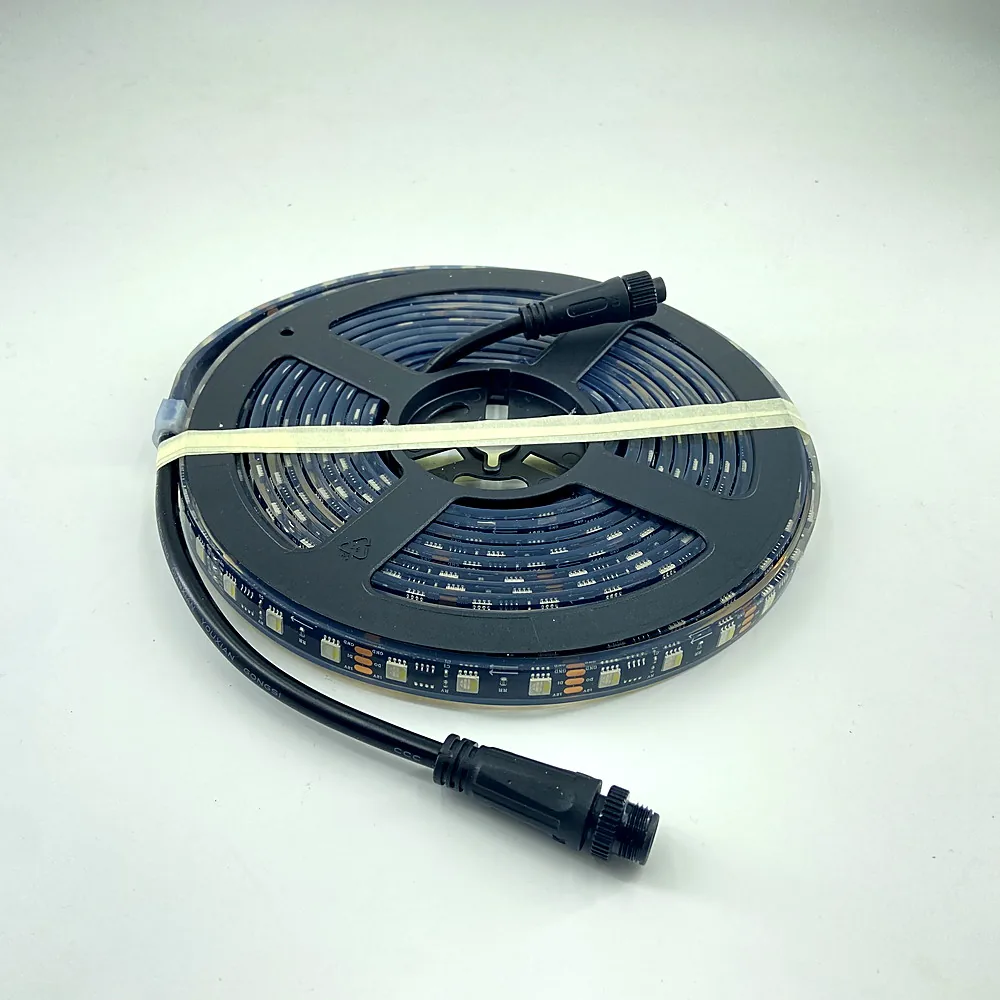
Flexible SMD 5050 strip — CCT, RGBCCT, S-shape, and DC48V long-run.
Review product family →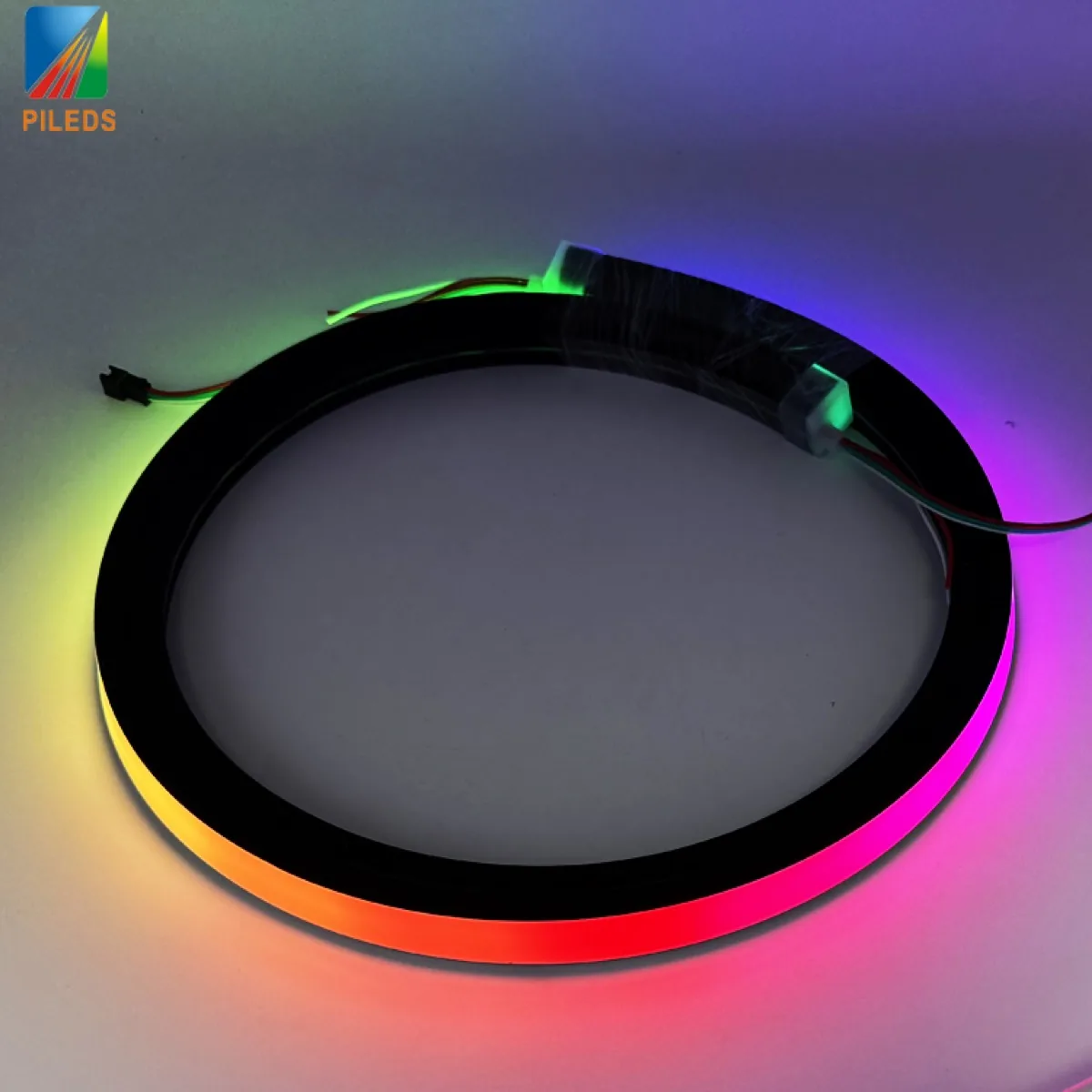
Flexible silicone neon flex — single-colour, RGB, and 360° pixel.
Review product family →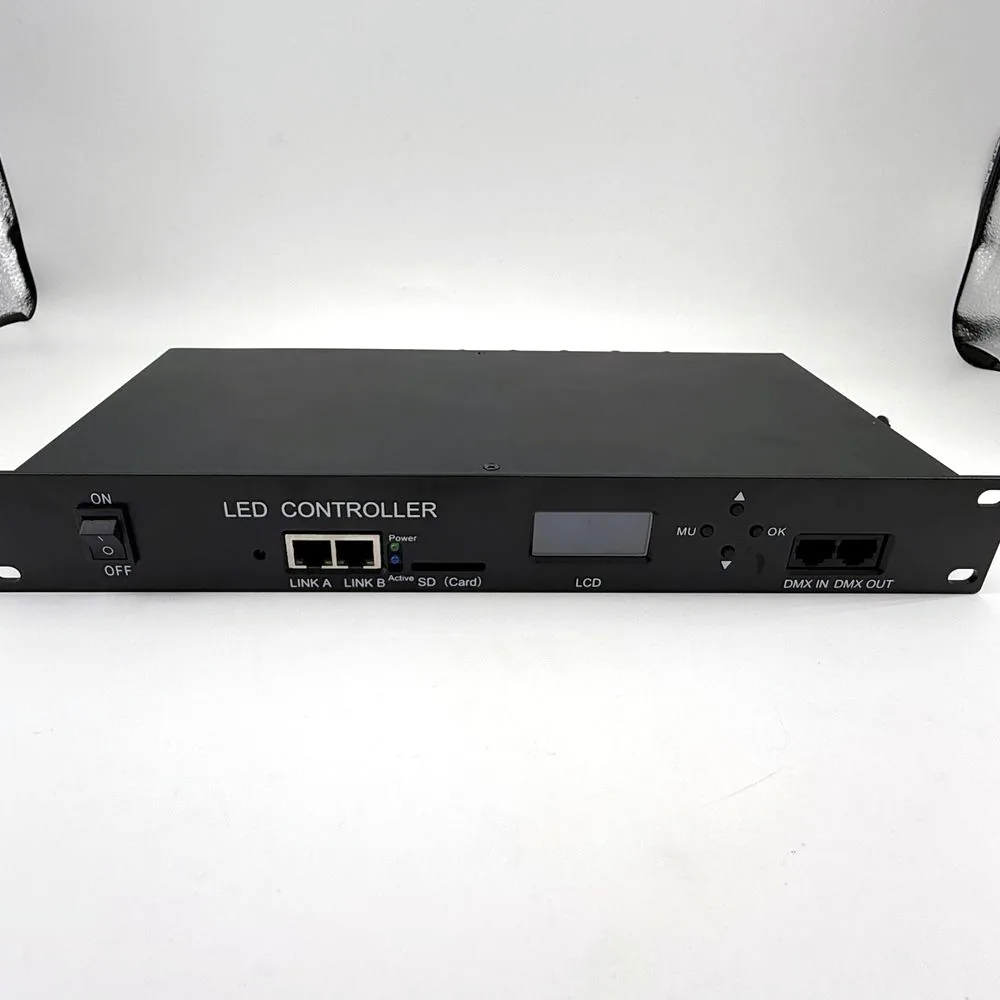
Art-Net, DMX512 and SPI controllers, decoders and address writers for pixel LED systems.
Review product family →These public cases demonstrate delivered quantities and mapped ceiling or canopy applications. Exact hidden project details are not inferred.
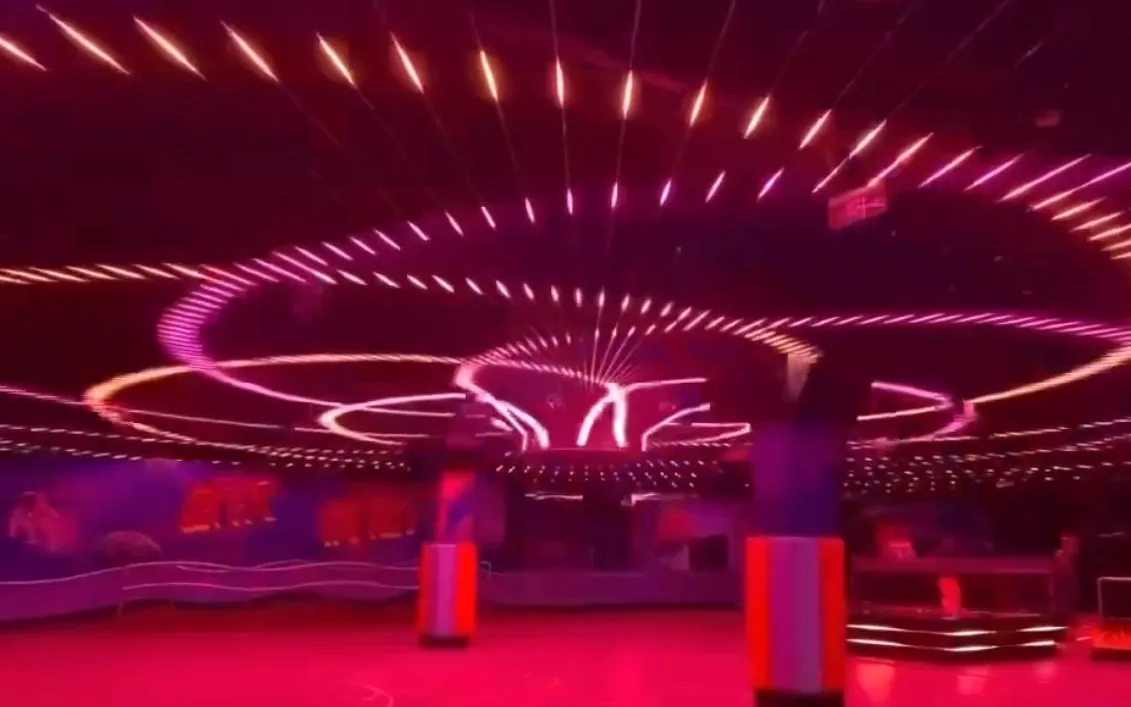
A chain nightclub wanted a dazzling, fully programmable ceiling — animated live from a PC. We shipped 1,500 m of full-color pixel strip on multi-protocol control.
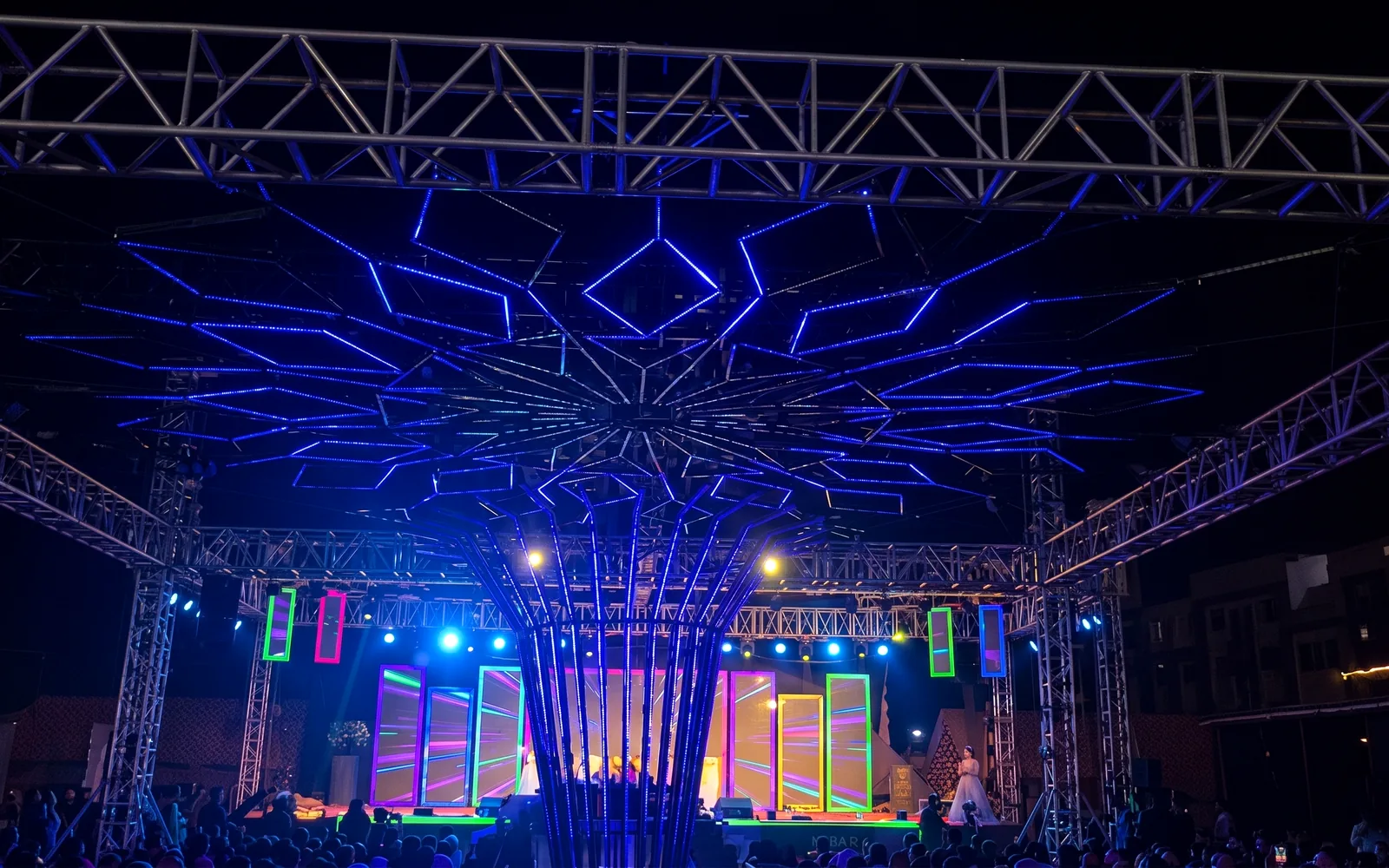
A product-launch stage needed a kinetic-look canopy with real-time control. We delivered 600 m of full-color pixel bar mapped over Art-Net and DMX.
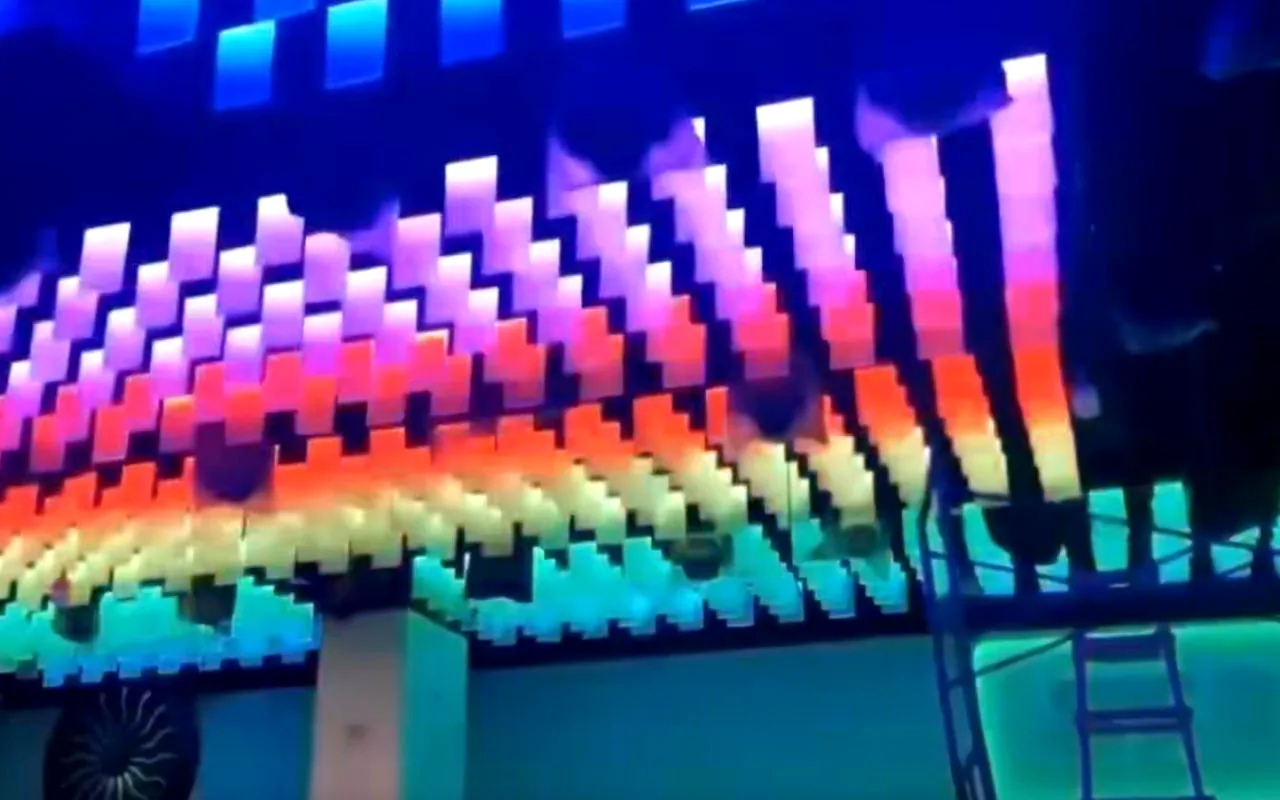
A US club wanted a look nobody else had. We shipped 900 acrylic light-guide pixel panels built into a sweeping, gradient ceiling feature.
A shortlist tied to the required line appearance, RGB/RGBW choice, voltage, pixel density, protection level, and mounting method.
Controller selection, ports, universes, protocol chain, zone map, and the assumptions used to calculate capacity.
Supply zones, injection approach, cable and connector assumptions, and the checks still required by the installer or local electrical engineer.
LED fixtures, controllers, power supplies, cables, connectors, accessories, available datasheets, and project-specific documentation.
Agreed sample, addressing, effect playback, ageing, labeling, spare strategy, and remote commissioning support before shipment.
Yes, MADRIX can map RGB and RGBW fixtures. The fixture definition, channel count, controller capacity, and output protocol still have to match the selected LED product.
Do not assume so. MADRIX supports sACN/E1.31, but the selected controller or gateway must list and be tested for the same protocol. Pileds will confirm the exact hardware path during engineering review.
That cannot be confirmed from length and voltage alone. Watts per metre, cable resistance, allowable voltage drop, connector limits, injection topology, and local electrical requirements determine the power-zone design.
The count depends on total pixels, RGB or RGBW channels, universes, pixels per controller output, design reserve, fixture watts per metre, zone layout, cable, and supply placement. A reliable count requires those inputs.
Pileds can prepare a matched project package covering the selected LED fixtures, controllers, power supplies, cables, connectors, accessories, and engineering documentation. Final scope is listed in the quotation and BOM.
Those terms vary by the selected standard or customized build. The project quotation should state the applicable MOQ, production lead time, available technical files, warranty scope, exclusions, and support plan for the chosen configuration.
Get a sample within 7 days — talk to a Pileds engineer about channels, optics, IP-rating, and finish for your venue. We reply within one business day.