
Driver ICs & Protocols
Which addressable driver IC to specify — WS2811, WS2812B, WS2815, SK6812, TM1814, UCS1903 — and how Art-Net, DMX512 and SPI change what you can build.
Driver ICs and protocols, IP ratings, wiring and voltage drop, certification and export — written by the engineers who build the product, for the people who have to specify it.
Which addressable driver IC to specify — WS2811, WS2812B, WS2815, SK6812, TM1814, UCS1903 — and how Art-Net, DMX512 and SPI change what you can build.
What IP20 through IP68 actually survive outdoors, how sealing is really done, and what evidence a lighting handover needs.
Choosing pixel LED strip for a real job: RGB vs RGBW vs RGBIC, voltage drop over long runs, binning and colour consistency.
Pixel fixtures that survive touring: rig-and-strike durability, bars vs tubes, wireless DMX, and what to check before a show.
Specifying facade and curtain-wall lighting: IP class, pixel pitch, power injection layout, and the handover evidence clients ask for.
AC36V mains lighting for mines and tunnels: what underground fixtures must survive, cut-to-length runs, and the certifications to check before buying.
For distributors and private-label buyers: MOQ, tiered pricing, sample policy, what a Chinese pixel LED factory can actually customise, and how to vet one.
CE, RoHS, EMC, IP66 and BIS explained for LED lighting export — how to verify a certificate number and what a compliance team should ask for.
Real deliveries with real numbers: 86,500 pixel points on a Singapore observation wheel, 10,000 m of AC36V strip in a South African mine, and more.
Buyer guides for what goes around the fixture — power supplies, aluminium profiles, connectors and wiring — so a pixel install actually works.
Neon flex or pixel strip for signage, bending radius, cutting and sealing on site, and keeping colour consistent across a multi-store rollout.
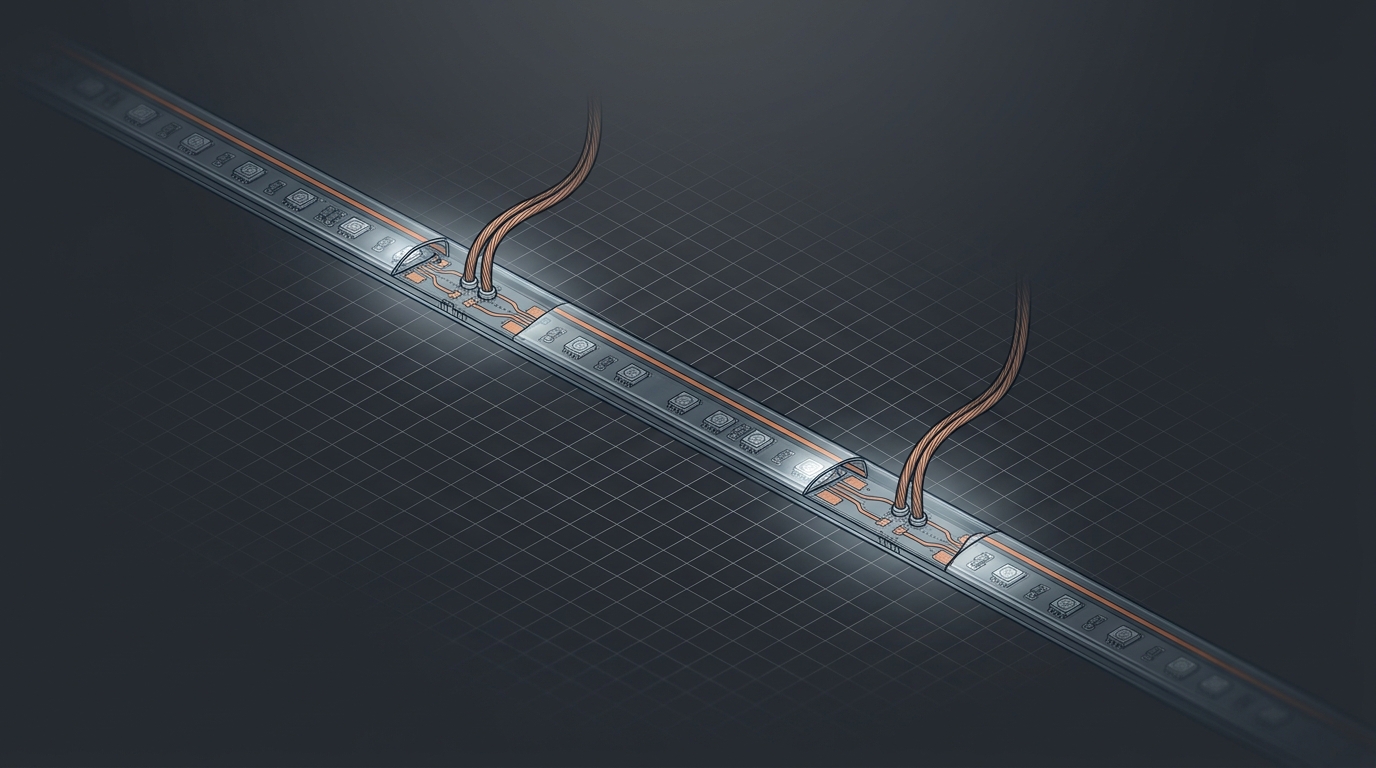
Calculate LED voltage drop on a long pixel strip run: current per meter, wire gauge, injection spacing, and how much voltage sag your pixels tolerate.
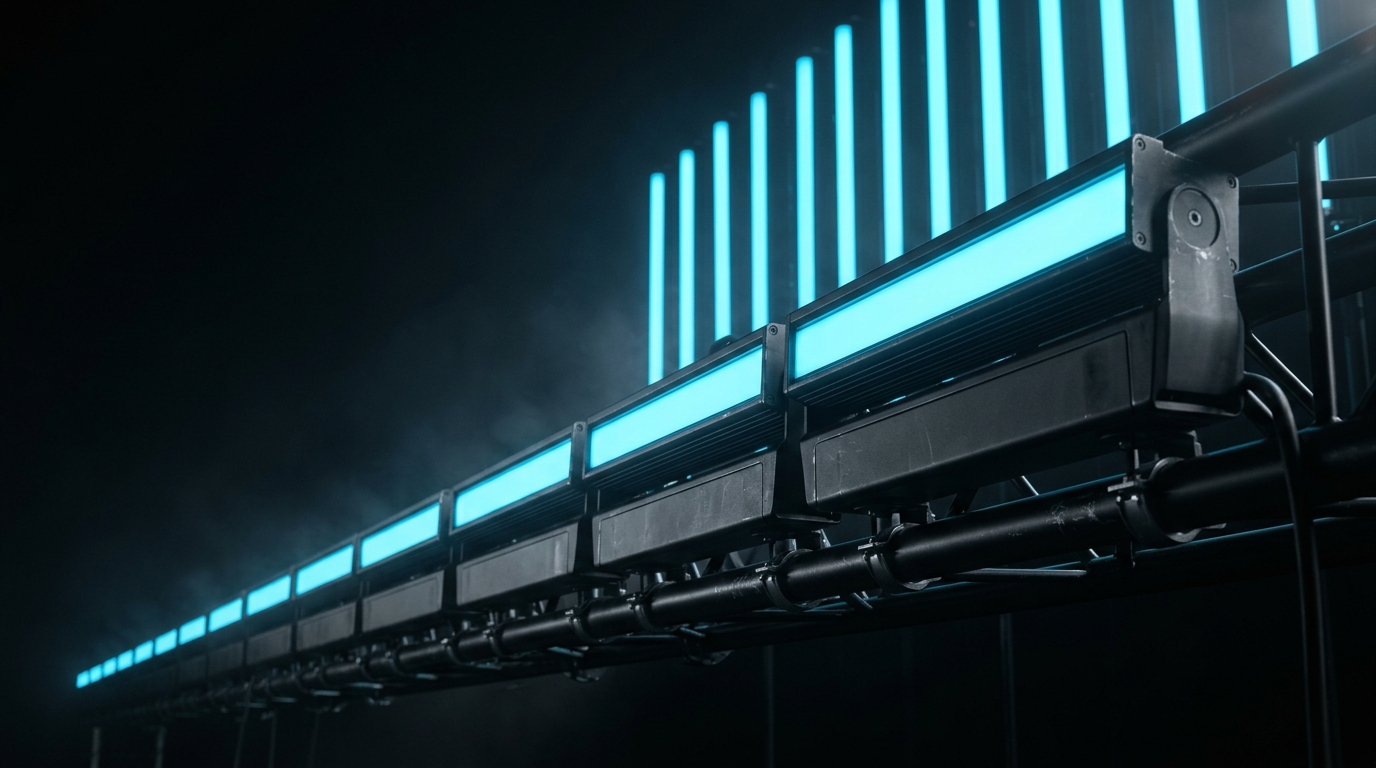
A rehearsal checklist for pixel fixtures: binning and colour checks, DMX addressing and universe planning, voltage drop along the run, data-line tests, spares.
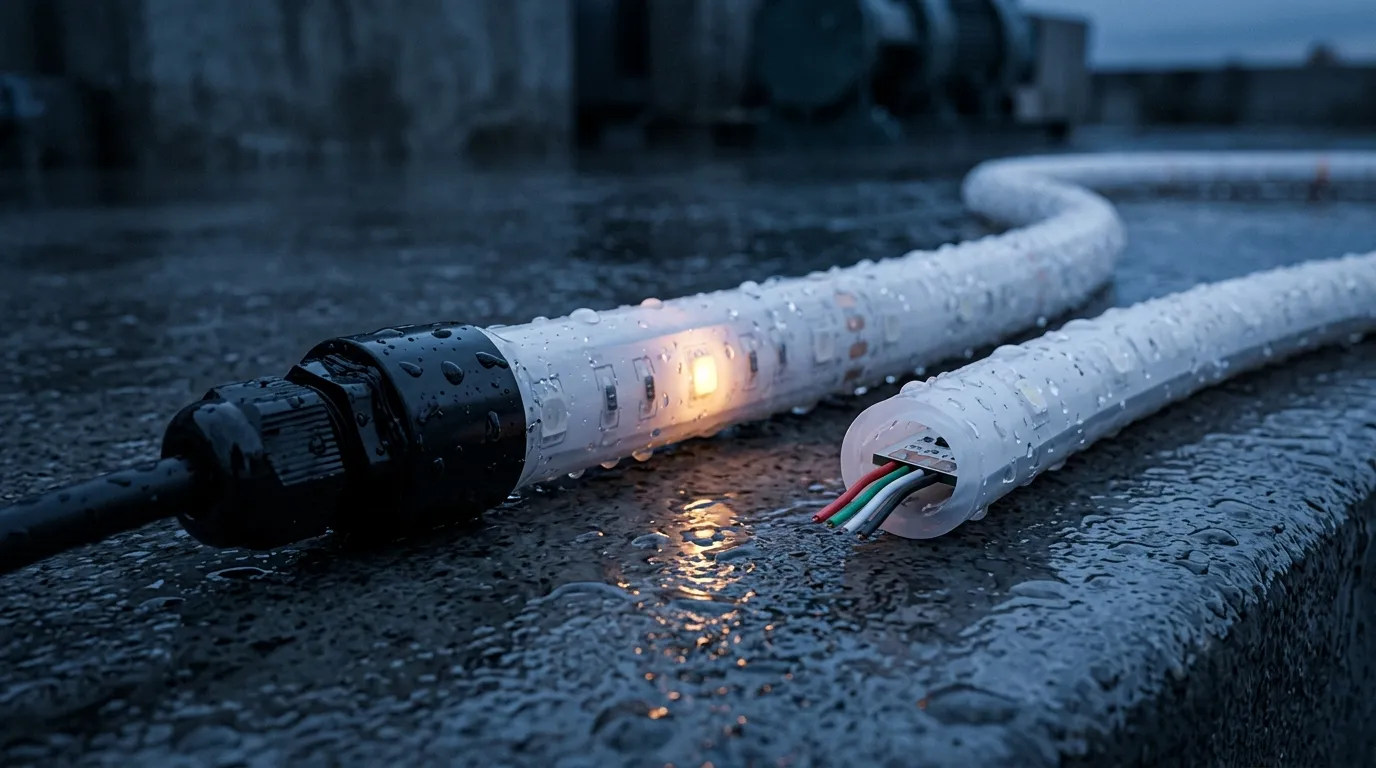
IP67 waterproof vs IP68 compared honestly: what each test really proves, why the higher rating is not always the better buy, and how to pick the right grade.
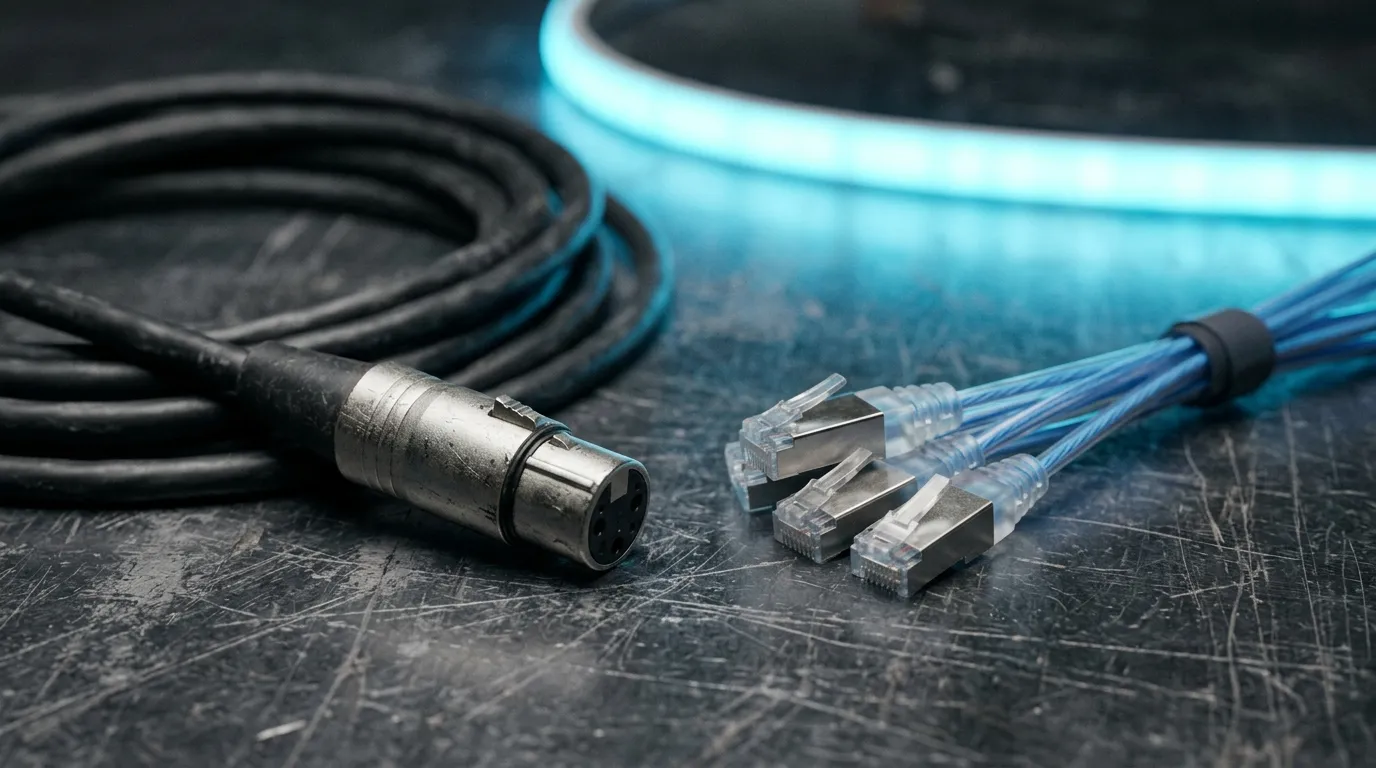
DMX512 vs Art-Net is a wiring decision, not a speed contest. Four questions — pixel count, port count, offline operation, on-site Ethernet — settle it.
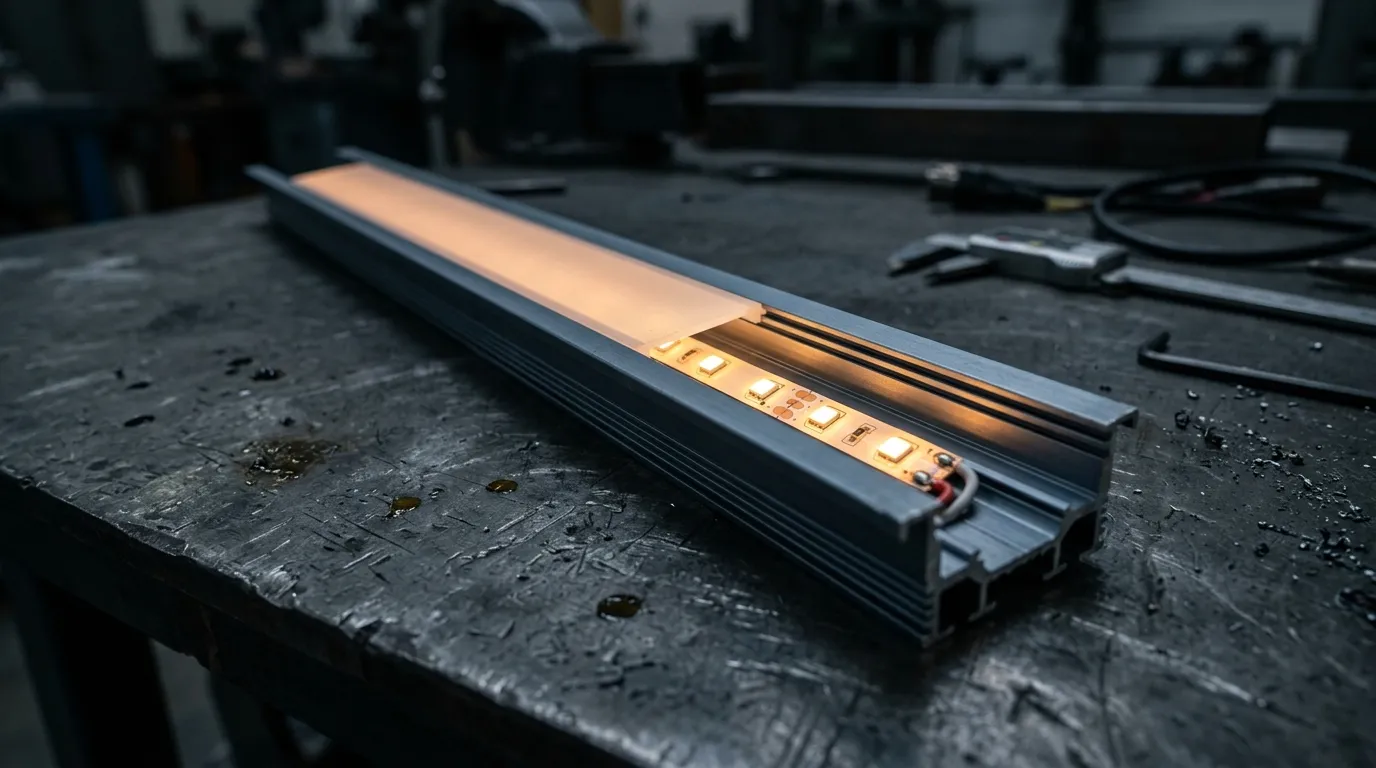
Most LED aluminum profiles do not fail on looks; they block light. Here is how cover, depth and strip fit decide how much of your strip's output you keep.
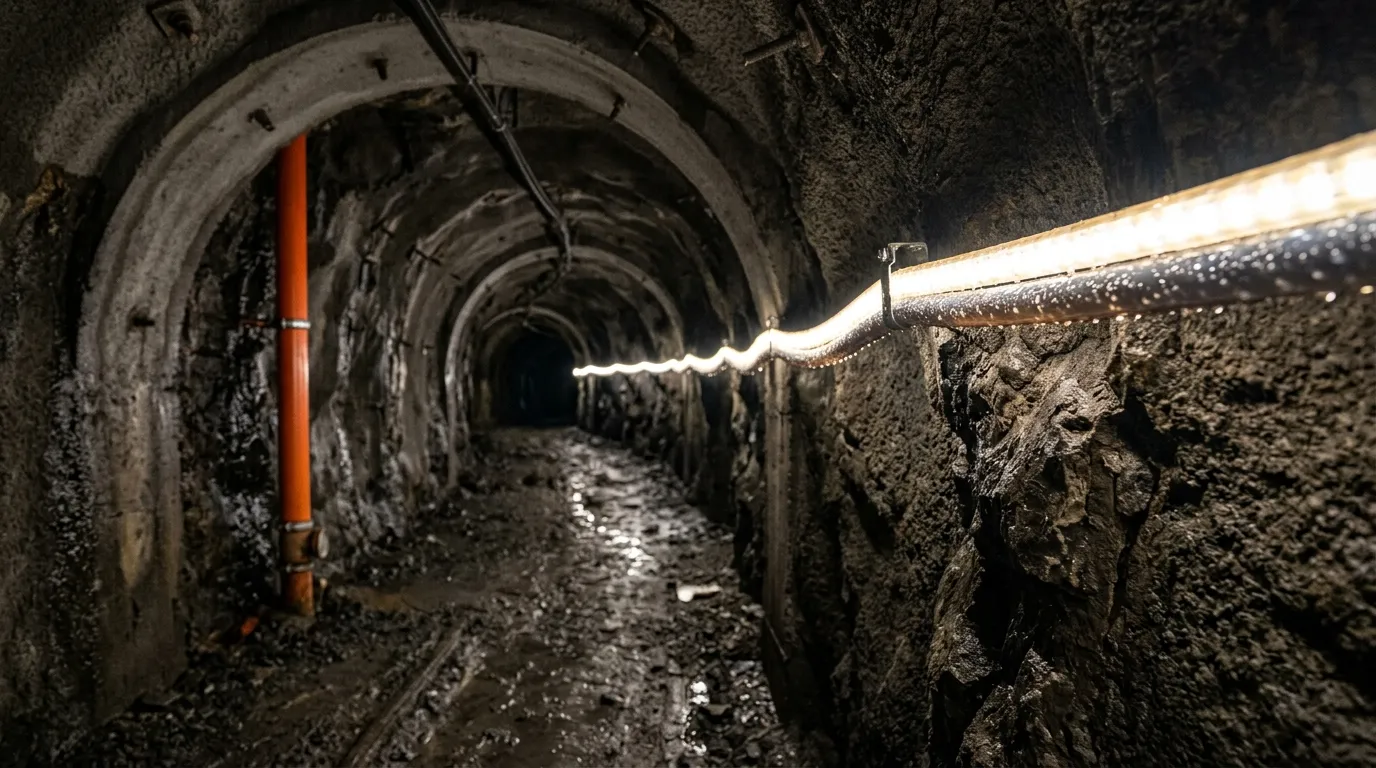
Water and dust, impact and vibration, heat and dirty power — underground lighting must survive all three. Here is what to demand in a mining LED strip spec.
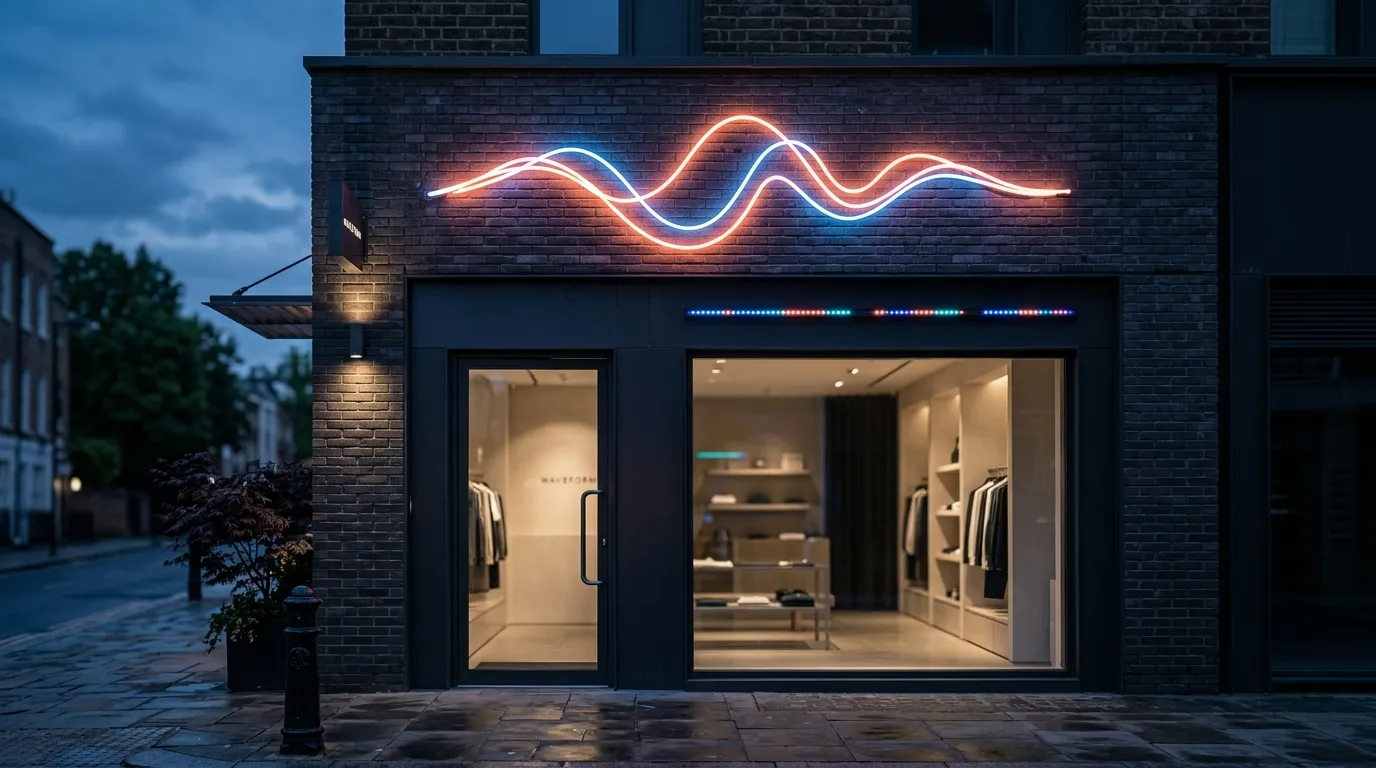
Buying neon signs from China? Neon flex and pixel strip solve different jobs: static glow or animation. Compare brightness, installation, lifespan, sourcing.
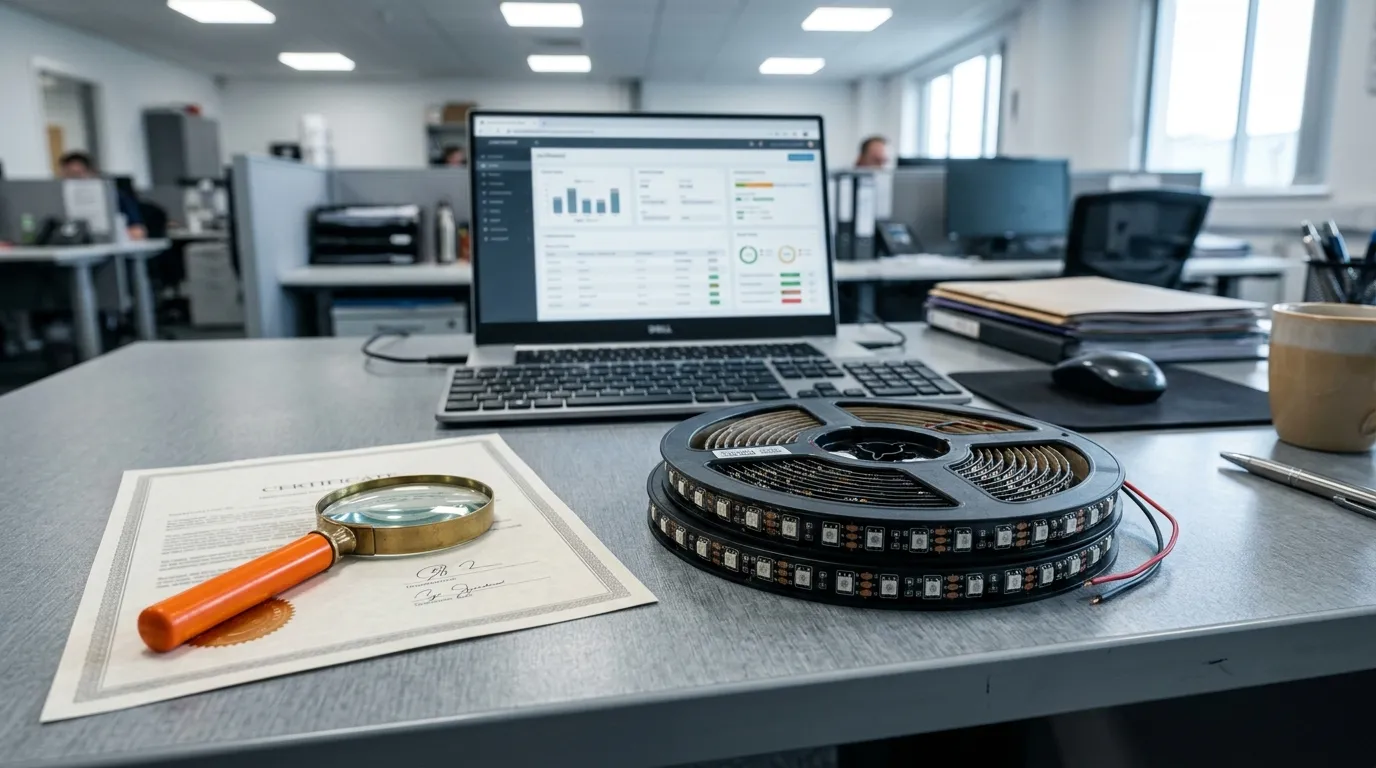
Verify LED certificate numbers before you pay: check UL, ETL, ENEC and BIS registrations in issuer databases, and validate CE through its document chain.
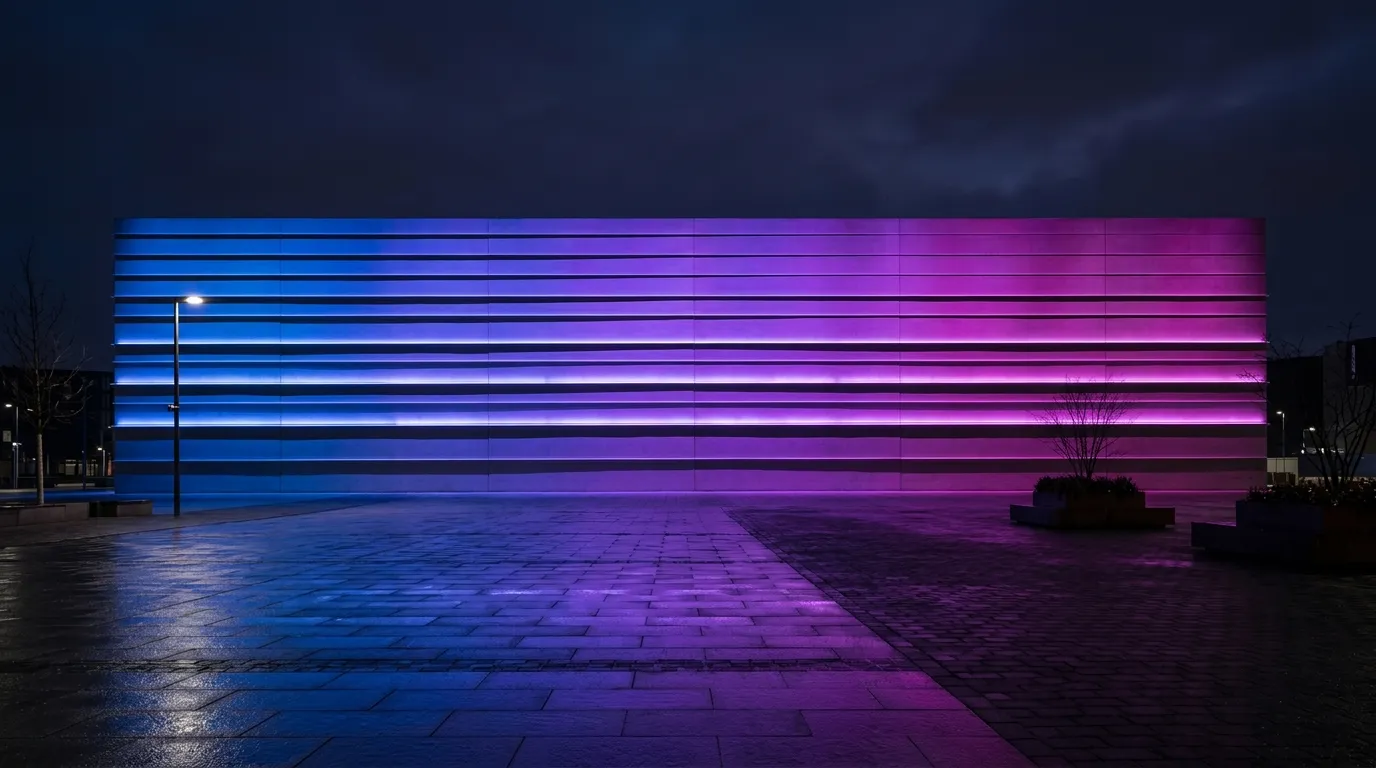
How a German plaza facade was lit by 1,200 m of DMX wall washer: an IP-rated outdoor build of addressable runs mapped into a single full-spectrum wash.
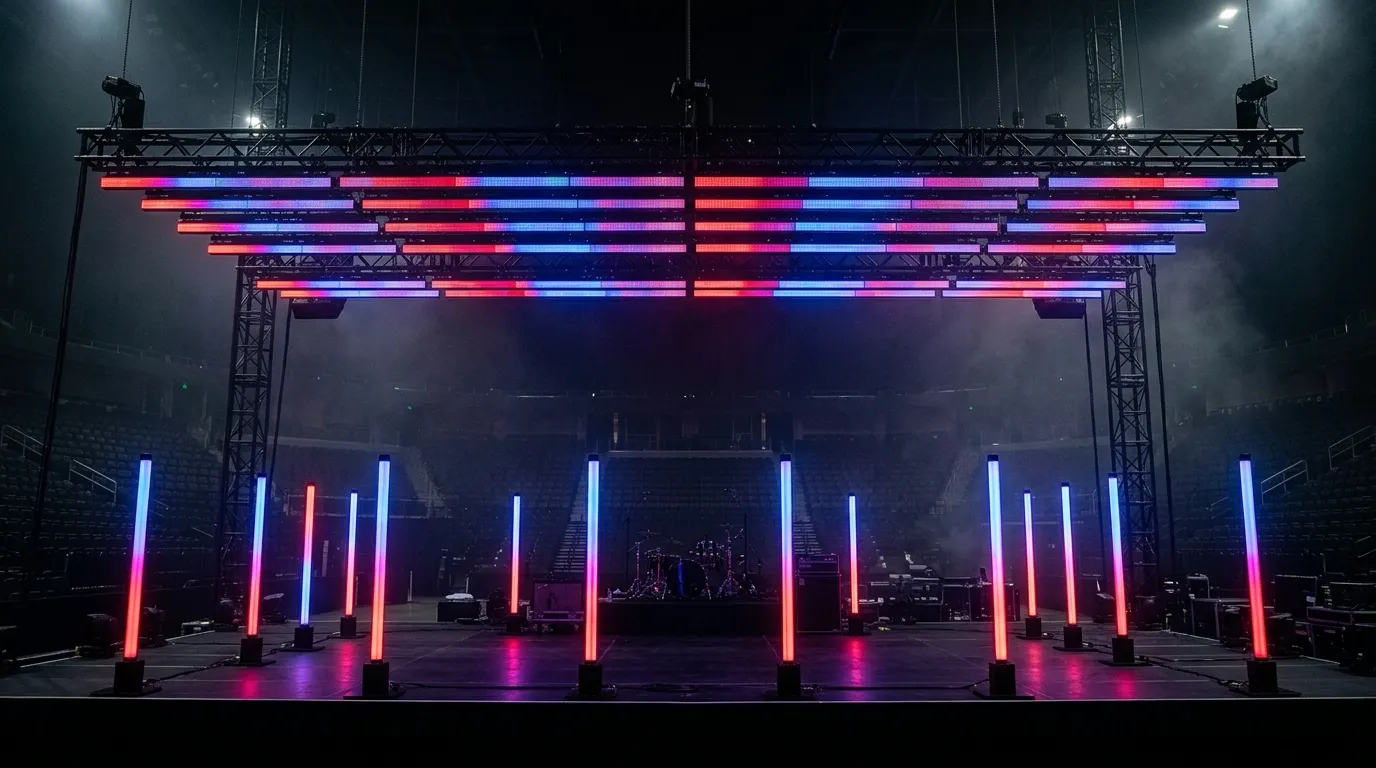
Pixel bars and pixel tubes serve different stage jobs. Compare light spread, pixel density, touring durability, and DMX control before you spec your rig.

Vet a China LED supplier before you order: verify the company, factory capacity, certificates, and lead time — with the exact checks and questions to ask.
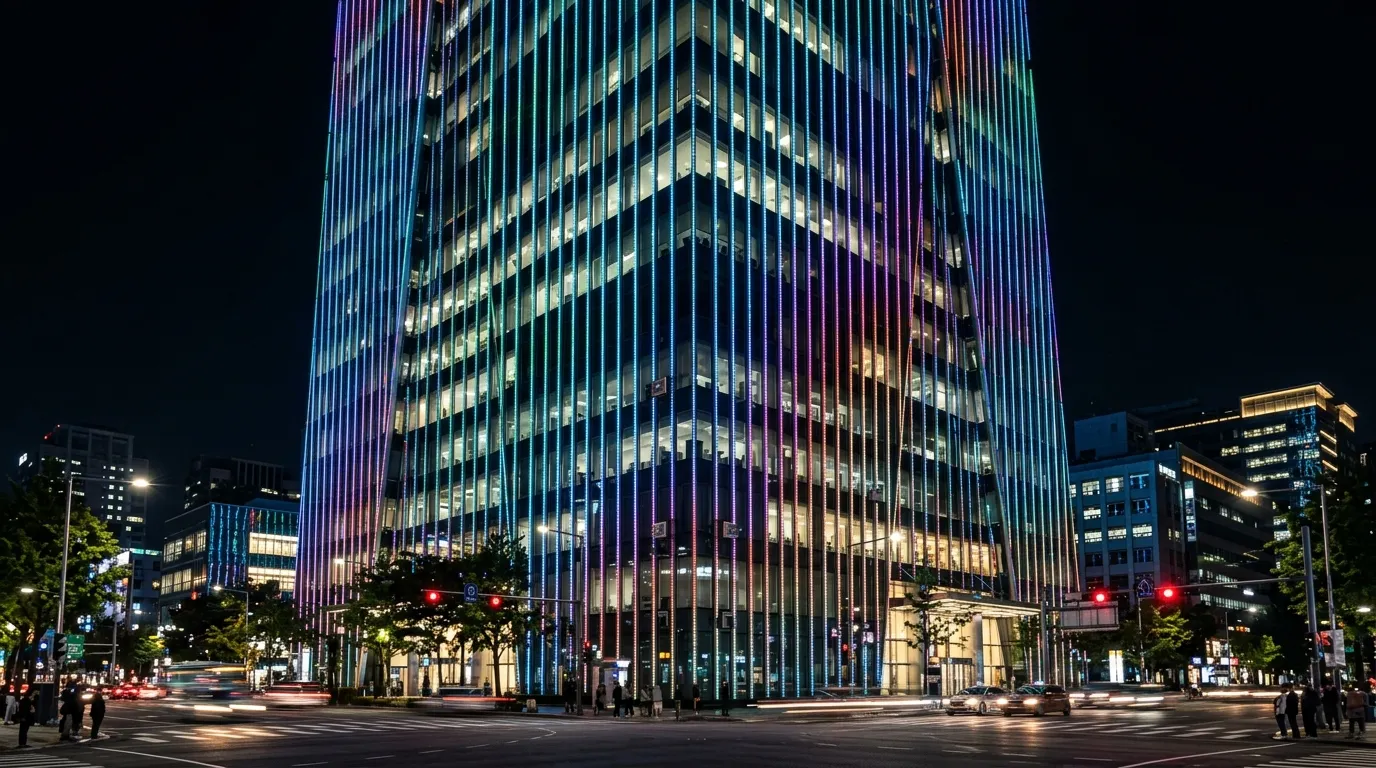
Plan LED curtain wall power layout before you wire: voltage budget, load current per zone, injection point spacing, wire gauge, and a full 40 m worked example.
Send the spec — pitch, IC, IP class, run length, voltage — and you get an engineer's answer, not a catalogue. Samples and OEM/ODM quotes from the Shenzhen factory floor.