
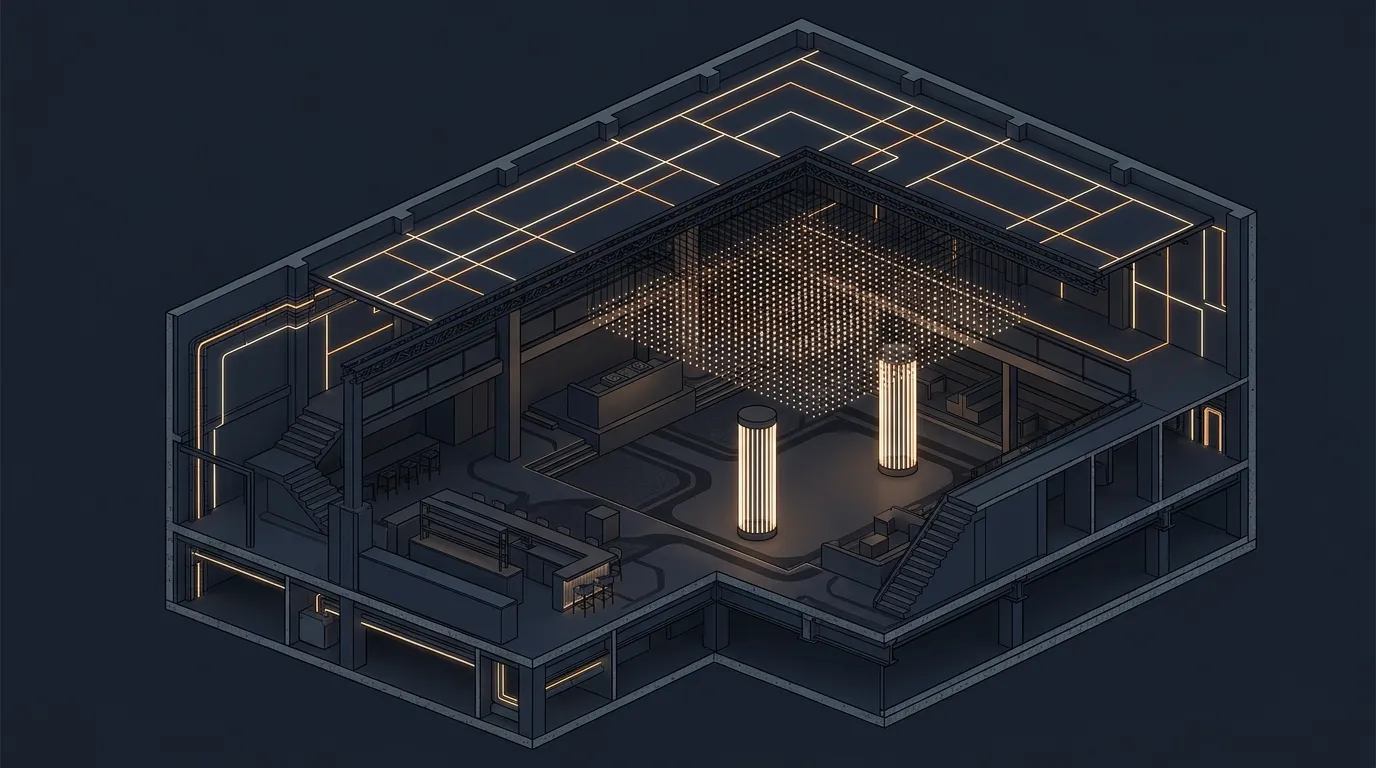
Club Lighting: Bars, Tubes & Pixel Points
Club lighting is an environment, not a rig: bars, tubes and point lights each own a zone. Map the room by what guests see, then size control, power and heat.
Pixel fixtures that survive touring: rig-and-strike durability, bars vs tubes, wireless DMX, and what to check before a show.
Club lighting is an environment, not a rig: bars, tubes and point lights each own a zone. Map the room by what guests see, then size control, power and heat.
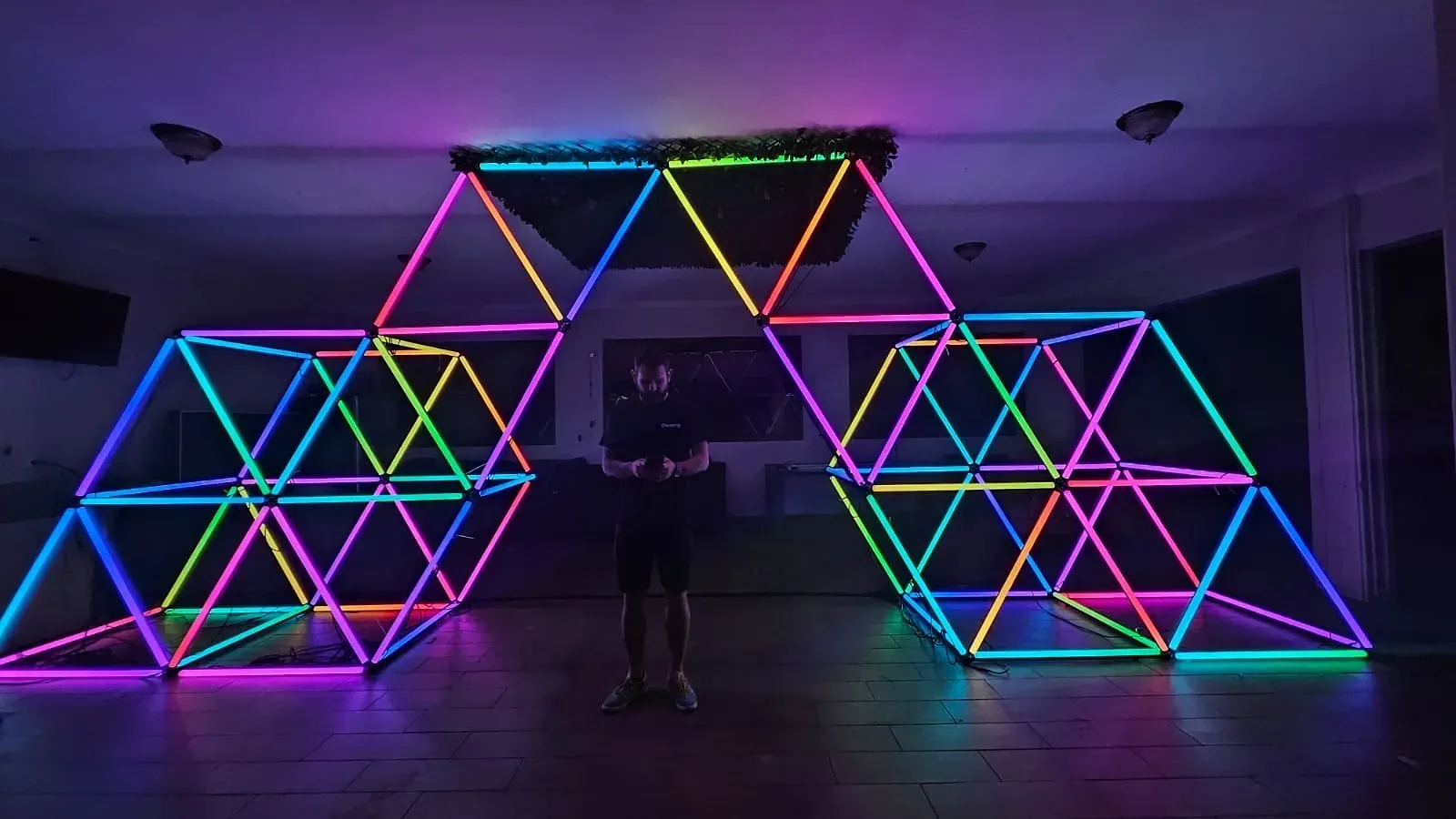
MADRIX compatible on a datasheet proves little. Six checks — protocol version, port addressing, universe budget, SPI chip set, refresh, failover — settle it.
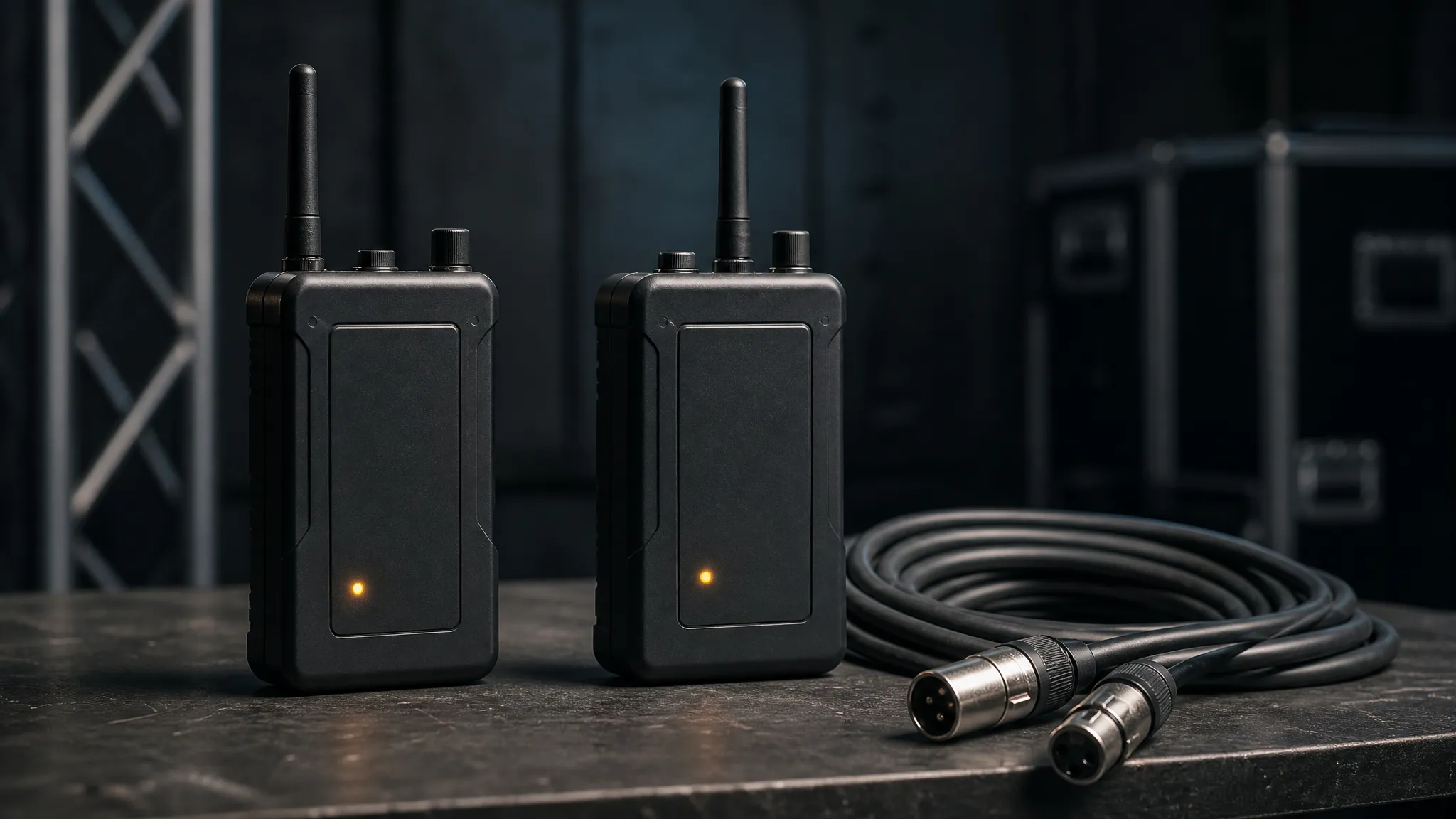
Choosing a wireless DMX transmitter and receiver comes down to four numbers: band, latency, protocol and failure mode. Here is how to read them before you buy.
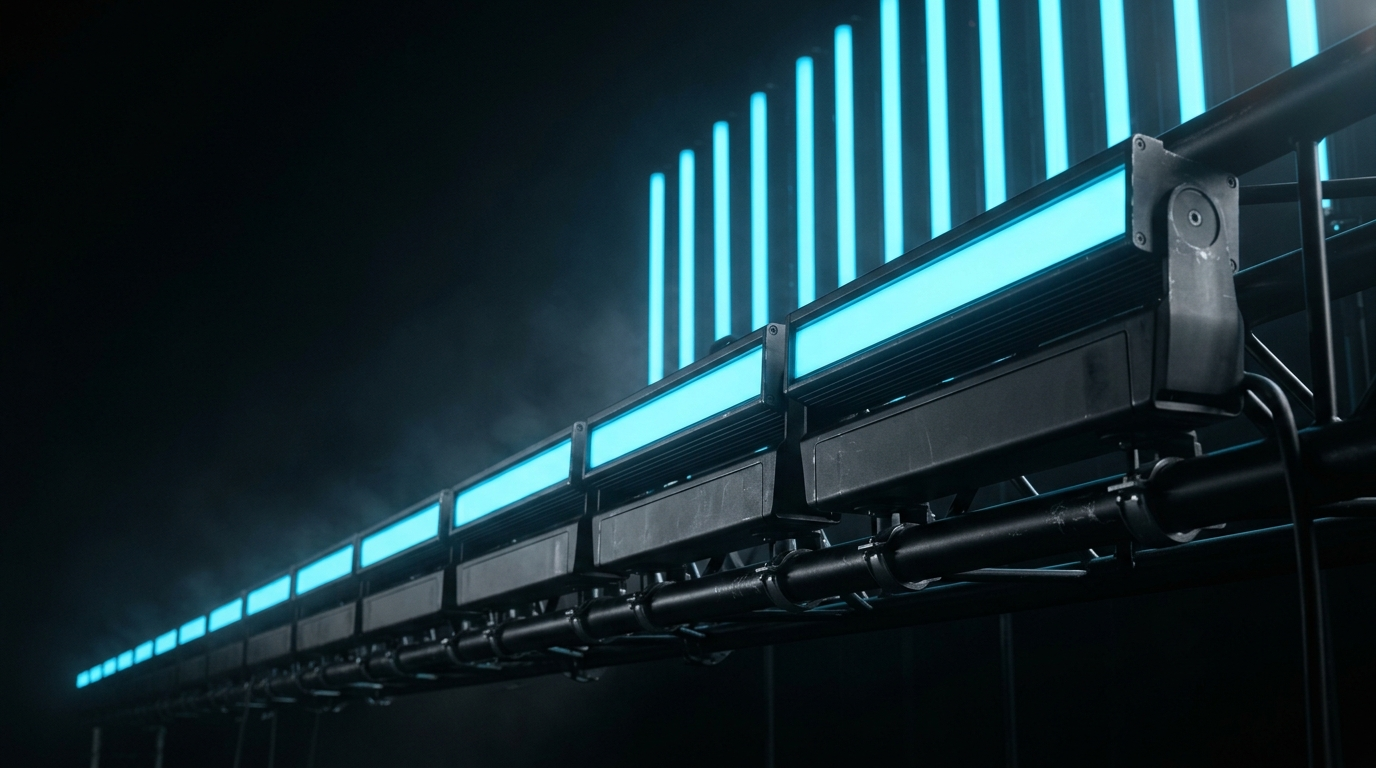
A rehearsal checklist for pixel fixtures: binning and colour checks, DMX addressing and universe planning, voltage drop along the run, data-line tests, spares.
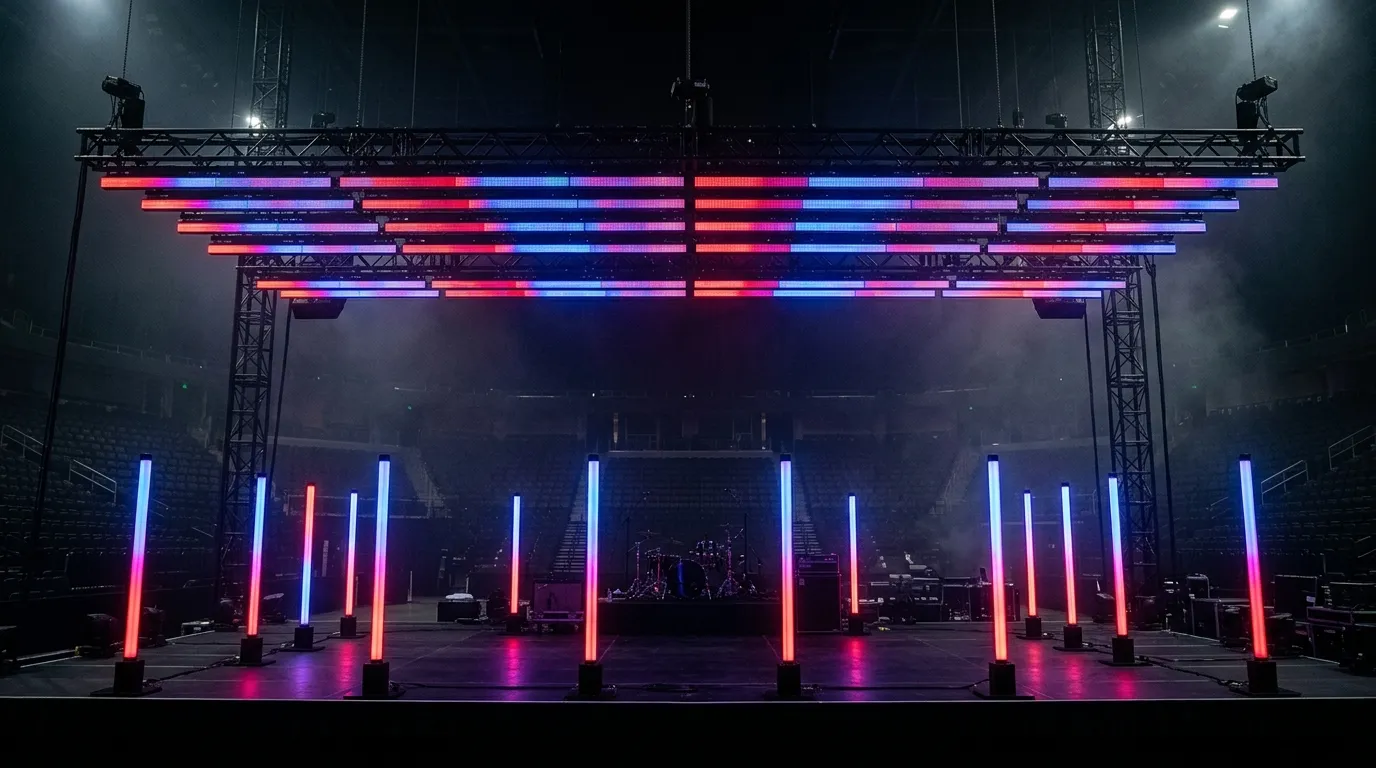
Pixel bars and pixel tubes serve different stage jobs. Compare light spread, pixel density, touring durability, and DMX control before you spec your rig.
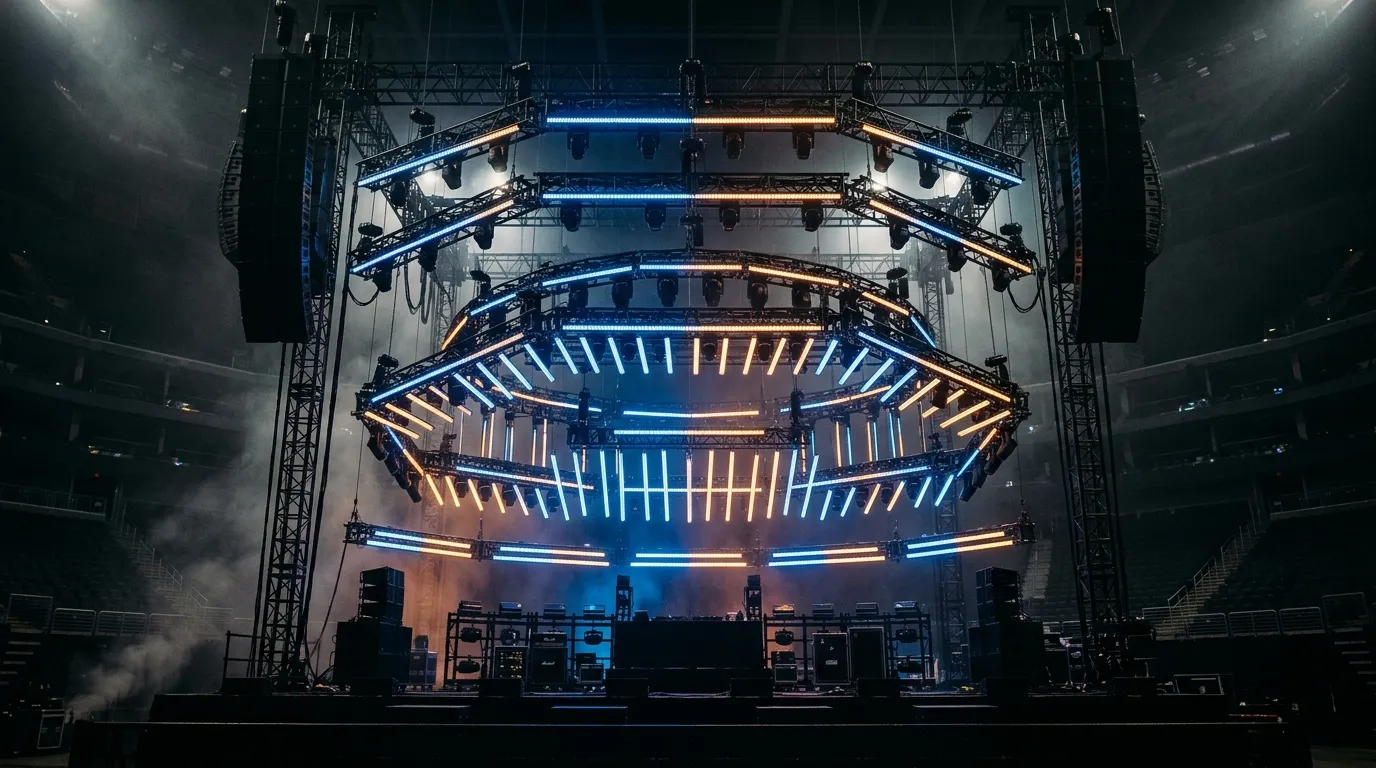
Three specs decide whether LED pixel fixtures survive a tour: driver IC, voltage and power budget, and IP rating. Check all three before you spec your rig.
Send the spec — pitch, IC, IP class, run length, voltage — and you get an engineer's answer, not a catalogue. Samples and OEM/ODM quotes from the Shenzhen factory floor.